Sixty Seconds to Calm: The Science of Micro-Sensory Rituals for Urban Stress Relief

Photo by Photo by Zulfugar Karimov on Unsplash on Unsplash
The human nervous system does not distinguish between a crisis and a calendar notification. To the brain's threat-detection architecture, a missed subway connection and a looming deadline register along the same neurochemical pathway. For urban professionals, this means the stress response is rarely fully deactivated—it simply cycles between levels of activation, day after day, without adequate recovery.
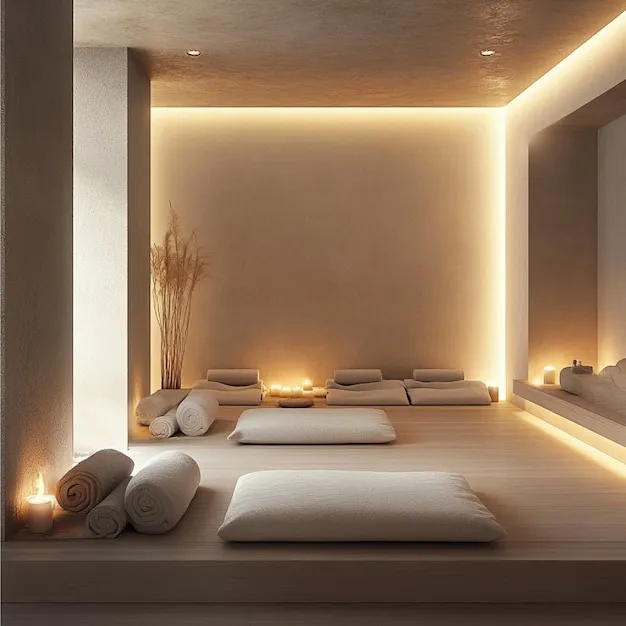
What professional wellness environments like Kara's Urban Day Spa do exceptionally well is interrupt that cycle. The curated sensory environment—controlled temperature, layered aromas, intentional touch, acoustic calm—communicates safety to the nervous system in a language it understands before conscious thought even engages. The result is a measurable shift from sympathetic dominance (the fight-or-flight state) to parasympathetic activation (the rest-and-digest state).
The question worth examining is this: can that same neurological shift be initiated in sixty seconds, without a treatment room?
The science suggests it can.
What a Spa Visit Is Actually Doing to Your Brain
When you settle into a treatment room, the benefits begin before a therapist's hands make contact. Research in environmental psychology consistently demonstrates that multisensory environments—those that deliberately engage smell, touch, sound, and temperature simultaneously—produce measurable reductions in cortisol and activation of the vagus nerve, the primary conduit of the parasympathetic nervous system.
The vagus nerve is, in effect, the body's built-in de-escalation system. When it receives the right sensory signals, it slows the heart rate, reduces blood pressure, dampens inflammatory pathways, and quiets the amygdala's alarm response. Professional spa treatments are, neurologically speaking, highly efficient vagal activation protocols.
The insight that follows from this is practically significant: if specific sensory inputs reliably activate the vagus nerve, those inputs can be isolated, minimized, and deployed in everyday settings. A full treatment amplifies and sustains the effect. A micro-ritual initiates it.
The Three Sensory Channels That Matter Most
Not all sensory input carries equal neurological weight when it comes to stress regulation. Three channels have accumulated the strongest evidence for rapid parasympathetic activation.
Olfactory input through controlled breathing. The olfactory system is the only sensory pathway with a direct anatomical connection to the limbic system—the brain's emotional and memory center. This is why certain scents produce an almost instantaneous emotional response. Lavender, eucalyptus, and bergamot have been studied extensively for their anxiolytic properties, with inhaled lavender in particular shown to modulate GABA receptors in ways that parallel the action of mild sedatives, without pharmacological side effects.
The micro-ritual: Apply one drop of a high-quality essential oil to your wrists or inner elbows, then breathe in a 4-7-8 pattern—four counts of inhalation, seven counts of breath retention, eight counts of exhalation. One complete cycle takes approximately sixty seconds and has been shown to reduce heart rate variability markers associated with acute stress.
Temperature contrast at pulse points. The wrists, temples, and sides of the neck are sites where blood vessels run close to the surface. Applying cold water or a chilled compress to these areas triggers the mammalian dive reflex, which slows the heart rate and activates the parasympathetic branch of the autonomic nervous system within seconds. Spa hydrotherapy treatments employ this principle at scale; the micro-version is available at any office restroom sink.
The micro-ritual: Run cold water over the inner wrists for thirty seconds, then press cool fingertips to the temples for the remaining thirty. The effect is modest but measurable—and cumulative when practiced consistently.
Tactile grounding through deliberate pressure. Deep pressure stimulation—the mechanism behind weighted blankets, firm massage strokes, and compression therapy—activates mechanoreceptors in the skin that signal safety to the nervous system. Studies with both clinical and non-clinical populations show that slow, firm self-applied pressure reduces self-reported anxiety and lowers salivary cortisol.
The micro-ritual: Using the opposite hand, apply firm, slow circular pressure to the palm and base of the thumb for thirty seconds per hand. This is discreet enough to perform at a desk or in a meeting room and engages the same receptor pathways stimulated during a hand and arm massage.
Why Consistency Outperforms Intensity
One of the most counterintuitive findings in stress physiology is that frequent, brief interventions produce more durable nervous system change than infrequent, prolonged ones. This is because the nervous system learns through repetition. Each time a sensory cue successfully initiates parasympathetic activation, the neural pathway connecting that cue to the calming response becomes more efficient—a process neuroscientists describe as Hebbian learning, colloquially summarized as "neurons that fire together, wire together."
This is precisely why spa professionals often observe that regular clients achieve deeper states of relaxation more quickly than first-time visitors. The body has learned the cues. The micro-ritual approach operates on the same principle: practiced daily, these sixty-second interventions gradually lower the nervous system's baseline activation level, making it easier to reach calm both during the rituals and outside of them.
For urban professionals, this has a practical implication. A micro-ritual performed during a morning commute, a midday work break, and an evening wind-down routine amounts to three minutes of intentional nervous system regulation per day—a modest investment with a compounding physiological return.
Bridging Practice and Professional Treatment
It bears stating clearly: micro-rituals are not a substitute for professional wellness care. What they offer is continuity—a way of sustaining and extending the neurological benefits of a full spa treatment across the days and weeks between appointments.
Think of it in clinical terms. A course of physical therapy produces lasting benefit not only through the sessions themselves, but through the home exercises prescribed between visits. The professional treatment establishes and deepens the therapeutic change; the between-session practice preserves it. Micro-sensory rituals function analogously. A session at Kara's Urban Day Spa recalibrates the nervous system at depth; daily sensory practice holds that calibration in place.
The city does not pause to allow recovery. Traffic, noise, air quality, and the sheer density of social and informational stimulation make urban environments neurologically taxing in ways that are well-documented and largely unavoidable. Building a micro-ritual practice is not an act of self-indulgence—it is a rational, evidence-informed response to a measurable environmental challenge.
Beginning the Practice
The barrier to entry is intentionally low. Choose one of the three sensory channels described above. Identify one reliable moment in your daily schedule—the first minutes of a morning commute, the transition between meetings, the ten minutes before sleep. Apply the corresponding micro-ritual for sixty seconds, consistently, for two weeks.
The neuroscience of habit formation suggests that two weeks of consistent practice is sufficient to establish the associative neural pathway. After that point, the cue itself—the scent, the temperature, the pressure—begins to carry the calming signal before the full sixty seconds have elapsed.
The goal is not to replicate a spa treatment in a subway car. The goal is to keep the nervous system conversant with calm, so that when you do return to the treatment room, you arrive not as a stranger to stillness, but as someone who has been practicing it all along.