The Hum Beneath the City: What Nighttime Low-Frequency Noise Is Doing to Your Sleep Architecture
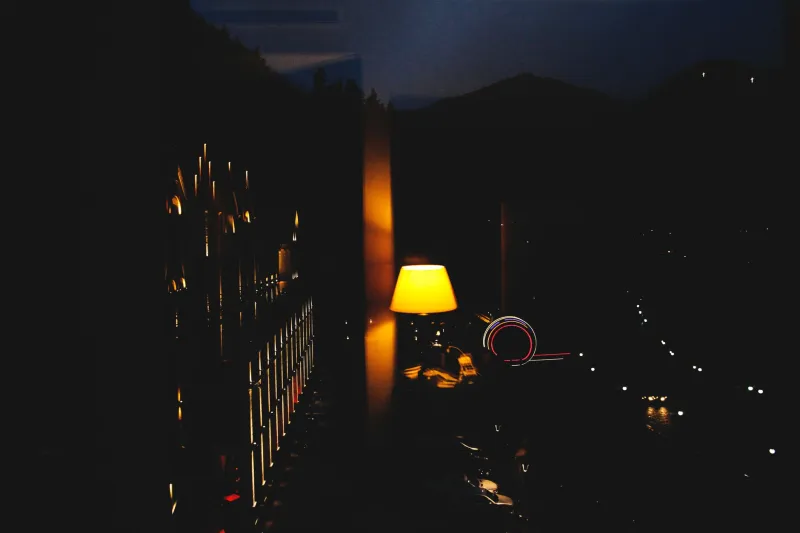
Ask a Manhattan apartment dweller how they sleep and the answer is often a shrug: "Fine, once I'm out." The truth is more unsettling. Research on urban noise exposure has demonstrated for decades that low-frequency sound—the sub-500 Hz range occupied by traffic rumble, HVAC systems, and distant sirens—can trigger micro-arousals in the sleeping brain without producing any conscious memory of waking. You don't hear the noise. Your body does.
What Fragmented Deep Sleep Actually Costs
Sleep isn't a uniform state. It cycles through stages, and the deepest ones—slow-wave sleep—perform the heavy lifting of physical repair, immune regulation, and metabolic housekeeping. These stages are precisely the ones most vulnerable to low-frequency disruption, because even subliminal noise elevates heart rate and cortisol during the night.
The cumulative effect reads like a list of complaints familiar to nearly every city professional: morning grogginess that coffee can't fully lift, slowed recovery from workouts, heightened reactivity to stress, and skin that seems to age faster than it should. Chronic nighttime noise exposure has been linked in European cohort studies to elevated blood pressure and cardiovascular risk—effects that persist even in people who insist they've "gotten used to it."
Adaptation, in other words, is largely an illusion of consciousness. The sleeping brain never fully stops monitoring the acoustic environment.
Sound Hygiene for the Apartment Dweller
You cannot silence a city, but you can change what reaches your sleeping brain. A practical protocol:
- Mask, don't block. Consistent broadband sound—a fan or white noise machine—raises your acoustic floor so that intermittent noises (a siren wail, a neighbor's door) register smaller against it. Earplugs help, but masking is often more tolerable night after night.
- Audit your own walls. Refrigerators, HVAC units, and aquarium pumps contribute their own low-frequency hum. If it cycles on at 2 AM, it's cycling through your sleep stages too.
- Rearrange for distance. Moving your bed away from the window-facing wall, or adding a heavy curtain and a rug to a hard-floored bedroom, measurably dampens the frequencies that matter most.
- Protect the entry hour. Noise exposure before bed primes the nervous system for hypervigilance. Treat the last sixty minutes of your evening as an acoustic decompression zone.
Where Sensory Recovery Fits In
Sound hygiene reduces the nightly assault; it doesn't undo accumulated sleep debt. That's where deliberate sensory deprivation becomes a complement rather than a luxury. Float therapy and sound-insulated treatment rooms offer something the urban bedroom cannot: an environment with essentially zero low-frequency load, allowing the nervous system to drop into the deep parasympathetic state that fragmented nights have been denying it.
Clients who incorporate a monthly float or sound-therapy session frequently report not just immediate relaxation but a recalibration—they sleep more soundly for days afterward, as if the body remembered what uninterrupted rest felt like.
The city will keep humming. The question is whether you'll keep absorbing it, or begin designing an intentional counterweight.